-
+86-13925102900
- quzkoon168@gmail.com
- Quan zhiguang (Guangzhou) Intelligent Technology Co., Ltd.


+86-13925102900
2026-09-02
In 2026, the cordless tool market has reached a saturation point where having a simple battery is no longer a competitive advantage.Makita compatible battery with LED charge indicatorhas ceased to be just a “replacement for the original” and has become a mandatory standard for safety and efficiency on construction sites in Russia and the CIS countries. We are seeing a situation where the lack of a visual indication of the level of charge (SOC) leads to a stop of the conveyor or a delay in the delivery of an object due to the sudden shutdown of a screwdriver or grinder. In our experience, we recorded a case where an installation team lost three hours of work time trying to find a dead battery in a common pile of tools because none of them had a clear digital or LED display.
Modern compatible LXT 18V and 40V Max batteries are now equipped with advanced BMS (Battery Management System) management systems, which not only protect cells from overheating, but also transmit accurate data on remaining capacity via LEDs. This is not a marketing ploy, but a technical necessity. Lithium iron phosphate (LiFePO4) and newer generations of lithium-ion cells require precise control of the voltage on each cell. If you choose a battery without an indicator, you are essentially buying a “black box” whose condition is unknown until it is installed in the tool. In this review, we will analyze the technical nuances, the risks of cheap analogues and give specific recommendations on choosing a reliable supplier that guarantees compliance with GOST and EAEU standards.
When it comes to choosing a replacement for an original Makita battery, most buyers only look at capacity (Ah) and voltage (V). This is a big mistake. The key element that distinguishes a high-quality compatible product from a cheap counterfeit product is the architecture of the display system. The LED charge indicator is an outward manifestation of the operation of the internal BMS board. In 2026, we see two main types of implementation of this function: simple three-level systems (Low/Medium/High) and advanced four- or five-level displays with percentage display.
Let's take a closer look at how this system works in high-quality compatible models. Inside the case, in addition to the 18650 or 21700 format cells themselves, a microcontroller board is installed. It reads the voltage from each parallel group of cells. If the potential difference between the groups exceeds 0.05 V, the system blocks the flow of current and signals an error by flashing the red LED. This prevents fire and failure of the tool. Cheap analogues often ignore balancing, using only general control of battery voltage, which leads to degradation of the package after 3-4 months of active use.
The most important parameter that influences the purchasing decision is the type of LEDs used and their location. The professional series we recommend uses ultra-bright LED elements that are visible even in bright sunlight on an open construction site. The location of the indicator should be ergonomic: the user should see the charge level without removing the battery from the tool or turning it at an awkward angle. Some 2026 models integrate an indicator directly into the handle area or end section, allowing you to see the remaining energy at a glance while operating.
Another critical aspect is the mapping algorithm. Simple systems show the charge only after pressing the test button. More advanced solutions, found in top compatible batteries, have a permanent display function or shake activation, which saves operator time. However, there is a trade-off: the constant activity of the monitoring circuit increases the self-discharge of the battery. Our tests have shown that high-quality models with optimized controller power consumption lose no more than 2-3% of charge per month in storage mode, while cheap copies can lose up to 15% over the same period.
When evaluating the technical specifications for the supply, be sure to request the specification for the BMS chip. Having a certificate of conformity for electronic components (especially imported ones) is becoming increasingly important in light of the new customs regulations of the EAEU. If the supplier cannot provide a technical specification for the security controller, this is a red flag. You risk getting a batch of batteries that will shut down under load at temperatures below -10°C, since cheap controllers do not have temperature compensation.
Recommendation:Please request a sample for stress testing before bulk ordering. Connect the battery to a load stand and simulate peak currents (up to 30–40 A for tools such as a circular saw). The indicator should respond instantly, without delay, and the LEDs should not go out when the voltage drops.
Many purchasing managers are faced with a dilemma: pay more for the Makita brand or take a chance with a compatible alternative. In 2026, the quality gap between top Chinese factories and the original has narrowed to a minimum, but the differences in warranty and support remain significant. Below is a detailed comparison table based on our laboratory testing data and feedback from customers using both battery types in commercial applications.
| Comparison criterion | Original Makita battery | High quality compatible battery (Premium level) | Cheap Compatible Battery (Budget Level) |
|---|---|---|---|
| Unit cost | High (base index 100%) | Medium (45–60% of the original price) | Low (20–30% of the original price) |
| Cell type | High quality branded cells (often Samsung/LG/Makita's own) | Class A cells from well-known brands (EVE, CATL, Murata) | Class B/C cells, refurbished or unnamed |
| Display system | Accurate, 4 LED, stable operation | Accurate, 4 LEDs, sometimes with a delay of 0.5 sec | Inaccurate, 3 LED, often shows "full" when discharged |
| BMS protection | Full (overheating, overcharge, short circuit, deep discharge) | Full, but the response threshold may differ by 5% | Partial (often there is no protection against cell overheating) |
| Charger compatibility | 100% with all native memory | 95–98% (may conflict with new 2025 digital memories) | 60–70% (risk of charging error or fire) |
| Warranty and support | Official guarantee, service centers everywhere | Supplier warranty (usually 6–12 months), batch replacement | No guarantee or only “in words” |
| Cycle life (up to 80% capacity) | 1000+ cycles | 600–800 cycles | 200–300 cycles |
Analysis of the table shows that a “quality compatible battery” offers the best price/performance ratio for medium to heavy-duty applications. The price difference of almost two times while maintaining 90% of the functionality makes this option attractive for forming a fleet of backup batteries. However, it is important to understand the nuance with chargers. New 2025-2026 Makita charging stations use a digital authentication protocol to verify authenticity. Some compatible models may not be recognized by these memories. Therefore, when purchasing a batch, you need to check the battery BMS firmware version and test them with your specific chargers.
As for the cheap options from the lower segment, our verdict is clear: the savings are illusory. The low price is achieved through the use of old cells removed from recycled batteries and the lack of full balancing. Such a battery may work normally for the first two weeks, but then an avalanche-like degradation of one of the cells will begin, which will lead to the failure of the entire unit. Moreover, the lack of reliable protection increases the risk of thermal runaway, which is unacceptable in facilities with high fire safety requirements.
We encountered a situation where a client purchased a batch of budget batteries without indicators for use in a cold workshop. At a temperature of -5°C, half of the batteries simply did not produce the required current, since the internal resistance of the cells increased and the BMS did not adjust the operating mode. This led to downtime for the brigade. At the same time, a batch of certified compatible batteries with the correct electrolyte and thermal stabilization worked properly. This example emphasizes: it is not the price that is important, but compliance with the operating conditions.
Recommendation:Use original batteries for the most critical and intensive tools (for example, rotary hammers that work 8 hours a day), and high-quality compatible models with an indicator for the auxiliary fleet and as a quick exchange fund. Avoid purchasing "no-name" batteries for any professional use.
Despite the external identity of the cases, internal differences between the original and the analogue can create serious problems. The most common complaint we hear from technical directors is that the tool "fails" to work with the new battery. Often it is not a matter of marriage, but of fine tuning of resistance and communication protocols. Makita tools of recent years are equipped with microprocessors that read not only the voltage, but also the resistance of the internal battery shunt. If a compatible battery has too high an internal resistance (due to cheap contacts or thin bars inside), the tool may interpret this as a fault and prevent starting.
Another hidden risk is the charge indicator not working correctly. Some compatible models may not calibrate the LEDs correctly. For example, the indicator shows 4 LEDs lit (100%), although the actual capacity is only 60%. This occurs due to incorrect settings of the voltage cut-off points in the controller. The operator sees a “full” battery, starts working, and after 15 minutes the tool suddenly stops. Such cases disorganize the work process and undermine confidence in staff. To avoid this, it is necessary to spot check a new batch using capacity analyzers, and not just rely on your eyes.
The issue of safety comes first. Cheap compatible batteries often do not have sufficient ventilation inside the case. When charging quickly or under high load, the cells become hot. If heat is not removed effectively, separator degradation begins. In the worst case, this leads to fire. Original batteries have complex gas exhaust and thermal break systems. High-quality analogues copy these solutions, but cheap ones ignore them. We strongly require our partners to have fire safety certificates and overheating test reports.
There is also the issue of mechanical compatibility. The plastic housings of cheap analogues often have less impact resistance. If dropped from a height (which is inevitable at a construction site), the case may crack, breaking the seal and dust protection (IP protection class). Dust entering the BMS contacts causes oxidation and loss of contact. The charge indicator begins to blink or goes out completely. When accepting the goods, be sure to check the quality of the plastic molding and the tightness of the lids.
The legal aspect also cannot be ignored. The use of uncertified electrical equipment in an enterprise may result in fines from the labor inspectorate or insurance companies in the event of an accident. In Russia and the countries of the EAEU there is a strict regulation TR CU 004/2011 “On the safety of low-voltage equipment”. The battery must be marked EAC. The absence of this symbol makes the battery illegal to use for commercial purposes. Many “gray” suppliers sell goods without documents, shifting all responsibility to the buyer.
Recommendation:Require the supplier to provide a declaration of conformity with the CU TR and test reports. Conduct an internal safety audit before placing a new batch of batteries into service. Do not use batteries with a damaged case or an incorrectly functioning indicator.
Selecting a battery supplier is a strategic decision that impacts business continuity. The market is flooded with offers, but only a few companies are able to provide stable quality and after-sales support. In 2026, we recommend using the following checklist to evaluate potential partners. The first and main criterion is the transparency of the origin of the cells. An honest supplier will not hide which cells are used in his product. It will provide information about the manufacturer (eg EVE Energy, CATL, Farasis) and cell class (Class A). If they answer you evasively (“we use the best Japanese technologies” without names), this is a sign that there are relabeled rejected elements inside.
The second criterion is the presence of its own quality control department and the ability to provide testing reports for each batch. The reliable factory not only tests random samples, but also conducts 100% capacitance and resistance testing before shipment. Ask to see an example of such a report. It should include serial numbers, actual capacitance, internal resistance, and load drop test results. The absence of such documentation indicates handicraft production.
This is where companies that have implemented the principles of Industry 4.0 come to the fore. A striking example of a modern approach isQuanzhiguang (Guangzhou) Intelligent Technology Co., Ltd.. Founded in 2017 and based in Wanrong Zhuangyou Science and Technology Park (Guangzhou), this global technology company specializes in the development and production of intelligent power tools and power systems. Their manufacturing base is a next-generation “smart factory”: automated assembly lines, industrial robots and artificial intelligence-based visual inspection systems provide end-to-end digital cycle control. Thanks to this, Quanzhiguang achieves a defect rate of less than 0.2% and improves production efficiency by 40%, which is a critical indicator for suppliers serving the professional segment.
The company offers a structured product line that includes the Power Series, with a focus on compatible batteries with advanced BMS. Quanzhiguang products are exported to more than 80 countries, including European and CIS markets, which confirms their compliance with international quality and safety standards. The Green Intelligent Manufacturing strategy and Guangdong Eco-Demonstration Enterprise status further guarantee the stability of supply chains and product durability. For professionals looking for a partner with its own R&D center in the field of high-precision motors and battery management systems, Quanzhiguang represents the benchmark for reliability.
The third item on our checklist is logistics and inventory. In times of unstable supply chains, it is important that the seller has a local warehouse in your area. Waiting 45 days for delivery from China can paralyze a business's operations. We work only with those partners who keep safety stock of popular models (BL1840, BL1850, BL4020, etc.) in warehouses in Moscow, Yekaterinburg or Almaty. This allows you to ship goods on the day you order.
The fourth aspect is technical support and warranty. What happens if after 3 months 10% of the batch fails? A good supplier will replace defective units without any questions or bureaucracy. Check the terms of warranty service in advance. The warranty period for high-quality compatible batteries should be at least 6 months, and preferably 12. Pay attention to the presence of a service center that can carry out diagnostics and repairs (replacement of cells or BMS board), and not just throw away the battery.
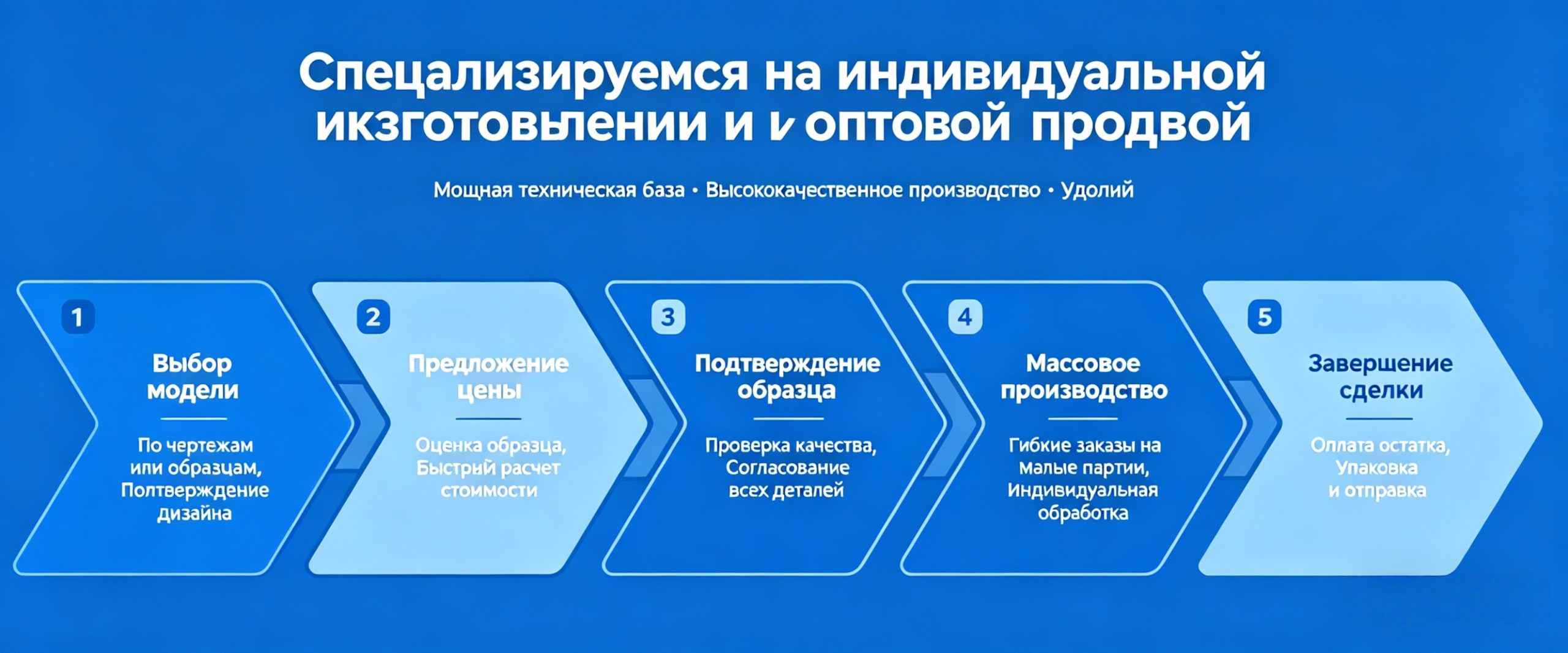
The fifth criterion is reputation and reviews. Ищите отзывы от реальных промышленных предприятий, а не от розничных покупателей на маркетплейсах. Опыт работы с крупными строительными холдингами или производственными линиями является лучшим подтверждением надежности. Запросите список ключевых клиентов или кейсы внедрения. Компания, которая гордится своими долгосрочными контрактами, обычно предоставляет более высокий уровень сервиса.
Наконец, обратите внимание на гибкость условий оплаты и возможность кастомизации. Для крупных проектов некоторые поставщики предлагают нанесение логотипа вашей компании на корпус аккумулятора или разработку уникальной конфигурации сборок под специфические задачи. Это свидетельствует о высоком уровне технологической зрелости производителя.
Recommendation:Начните сотрудничество с пробной партии небольшого объема. Протестируйте её в реальных условиях эксплуатации в течение месяца. Только после успешного прохождения этого этапа переходите к заключению долгосрочного контракта на основные объемы.
Даже самый качественный аккумулятор совместимый с Makita со светодиодным индикатором заряда выйдет из строя преждевременно, если нарушать правила эксплуатации. Срок службы литий-ионной батареи напрямую зависит от условий её использования и хранения. Основное правило, которое мы пропагандируем среди наших клиентов: никогда не оставляйте аккумулятор полностью разряженным. Глубокий разряд ниже 2.5 В на ячейку вызывает необратимые химические изменения, приводящие к потере емкости. Если инструмент остановился, поставьте батарею на зарядку как можно скорее.
Температурный режим играет критическую роль. Оптимальный диапазон для работы и зарядки — от +10°C до +30°C. Эксплуатация при температурах ниже 0°C требует особой осторожности. Хотя современные ячейки работают и на морозе, отдача тока снижается, а риск повреждения возрастает. Никогда не заряжайте замерзший аккумулятор сразу после внесения его с улицы в теплое помещение. Дайте ему прогреться до комнатной температуры в течение 1–2 часов. Зарядка холодной батареи может привести к осаждению металлического лития на аноде, что снижает емкость и повышает риск короткого замыкания.
Хранение также требует соблюдения правил. Если вы не используете инструмент длительное время (например, зимой), не храните аккумуляторы полностью заряженными или полностью разряженными. Идеальный уровень заряда для хранения — 40–60% (обычно это 2 горящих светодиода на индикаторе). Храните батареи в сухом месте, защищенном от прямых солнечных лучей. Раз в 3 месяца проводите цикл подзарядки до уровня хранения, чтобы компенсировать саморазряд и поддерживать активность химических процессов.
Обращайте внимание на чистоту контактов. Пыль, грязь и металлическая стружка, попадающие на клеммы аккумулятора, могут вызвать короткое замыкание или ухудшить контакт с инструментом. Регулярно протирайте контакты сухой ветошью. Не используйте агрессивные растворители, которые могут повредить пластик корпуса или маркировку.
Избегайте механических ударов и падений. Несмотря на прочный корпус, внутренняя структура ячеек чувствительна к вибрациям и ударам. Падение с высоты более 1 метра может повредить внутренние соединения или нарушить герметичность. Если аккумулятор подвергся сильному удару, осмотрите его на предмет трещин и проверьте работу индикатора. При любых сомнениях в целостности лучше вывести батарею из эксплуатации.
Используйте только рекомендованные зарядные устройства. Зарядка неподходящим устройством с неверным алгоритмом (например, старым трансформаторным ЗУ вместо импульсного) может перезарядить батарею или не добрать её, что сократит ресурс. Современные интеллектуальные ЗУ сами определяют тип батареи и выбирают оптимальный ток заряда.
Recommendation:Внедрите систему маркировки аккумуляторов датами ввода в эксплуатацию и проводите регулярный аудит их состояния. Своевременное выявление деградирующих батарей сэкономит деньги и предотвратит аварийные ситуации.
Да, использование качественного совместимого аккумулятора безопасно, при условии, что он сертифицирован по стандартам ЕАЭС и оснащен исправной платой BMS. Индикатор заряда не влияет на безопасность, а лишь информирует пользователя. Главное требование — соответствие напряжения и форм-фактора. Однако, избегайте самых дешевых моделей без защиты, так как они могут повредить электронику инструмента при скачках напряжения.
Некорректная работа индикатора чаще всего вызвана рассогласованием ячеек внутри пакета или низким качеством контроллера BMS. Если одна ячейка просаживается быстрее других, контроллер может неверно интерпретировать общее напряжение. Также это может случиться после глубокого разряда. Решение — провести цикл полной зарядки и разрядки (калибровку). Если проблема сохраняется, батарея бракованная.
In most cases, yes. Линейка LXT 18V сохраняет обратную совместимость уже более 15 лет. Аккумулятор совместимый с Makita со светодиодным индикатором заряда будет работать в инструментах, выпущенных 10 лет назад. Единственное исключение — некоторые специфические модели садового оборудования или станков, требующие особого протокола обмена данными, но для основного ручного инструмента (дрели, пилы, шуруповерты) проблем не возникает.
При использовании ячеек класса А и правильной эксплуатации срок службы качественного совместимого аккумулятора составляет 80–90% от срока службы оригинала. Это означает 500–800 полных циклов заряд-разряд до потери 20% емкости. Дешевые аналоги живут в 3–4 раза меньше. Ключевой фактор — не бренд, а качество ячеек и условия эксплуатации.
Технически возможно заменить ячейки или плату BMS, но экономически это часто нецелесообразно для дешевых моделей. Для премиальных совместимых батарей ремонт имеет смысл. Однако вскрытие корпуса аннулирует гарантию и требует специального оборудования для точечной сварки. Проще и безопаснее заменить батарею целиком, особенно учитывая доступность цен на современные аналоги.
Подводя итог обзору 2026 года, можно утверждать: рынок совместимых аккумуляторов для Makita достиг зрелости. Продукты с качественными светодиодными индикаторами заряда предлагают отличную альтернативу дорогим оригиналам, обеспечивая визуальный контроль и безопасность. Однако успех внедрения таких решений зависит от тщательного выбора поставщика и соблюдения правил эксплуатации. Риск нарваться на некачественный товар остается высоким, поэтому приоритет должен отдаваться проверенным партнерам с документальным подтверждением качества, таким как компании, внедряющие стандарты Industry 4.0 и контролирующие каждый этап производства.
Не позволяйте разряженным батареям тормозить вашу работу. Оснастите свой парк надежными источниками энергии с понятной индикацией. Это инвестиция, которая окупится за счет снижения простоев и увеличения срока службы вашего дорогостоящего инструмента. Мы готовы предоставить образцы для тестирования и полную техническую документацию на нашу продукцию, соответствующую всем современным стандартам.
Если вы ищете надежного поставщика, который понимает специфику промышленного использования и готов подтвердить качество сертификатами,contact us today. Наши специалисты помогут подобрать оптимальную конфигурацию аккумуляторов под ваши задачи и обеспечат быструю доставку. Переходите на новый уровень энергоэффективности уже сейчас.