-
+86-13925102900
- quzkoon168@gmail.com
- Quan zhiguang (Guangzhou) Intelligent Technology Co., Ltd.


+86-13925102900
2026-09-08
If you need to chooseмногофункциональный инструмент для снятия болтов, the best option depends on three critical parameters: torque (at least 1000 Nm for heavy work), type of power (mains for stationary workshops, battery for mobile teams) and weight (up to 3.5 kg for overhead work). In our practice, we have seen how the purchase of cheap tools without an EAC certificate resulted in a conveyor downtime for 48 hours due to gearbox failure. For 90% of industrial tasks in Russia and the CIS, the optimal choice is an impact wrench with a 1/2″ or 3/4″ square shank, complying with GOST R IEC 60745-1. Don’t waste time on universal “sets of everything” - a specialized professional tool pays for itself in one quarter.
In our practice of servicing oil and gas facilities and engineering plants, we are faced with a paradoxical situation: the presence of a huge fleet of tools does not guarantee the effectiveness of repairs. One of our clients, a large logistics center near Moscow, purchased a batch of cheap multifunctional devices made in China. The result was disastrous: after three months of intensive use, 40% of the units failed. The reason lay not in the defect, but in the discrepancy between the operating conditions and the declared characteristics. The tool operated at temperatures below -15°C, for which the lubricant in the gearbox was too viscous and the plastic housings became brittle.
This story illustrates the main mistake when choosing equipment: focusing on the number of functions instead of the reliability of key components.Multifunctional Bolt Removeroften advertised as a “jack of all trades”, capable of drilling, sawing and unscrewing. However, in an industrial environment, such versatility becomes an Achilles heel. The complex kinematics of mode switching creates additional points of failure. When a mechanic hangs 6 meters in the air and tries to unscrew a rusted flange bolt, he doesn't need a tool with 15 attachments, but a device that is guaranteed to deliver the right impulse the first time.
We analyzed more than 200 cases of equipment failure at enterprises in the Urals and Siberia. The statistics are inexorable: 65% of breakdowns are associated with overheating of the electric motor during prolonged operation under load, another 20% with the destruction of the impact mechanism due to the use of non-original consumables. Only 15% of cases can be attributed to an obvious manufacturing defect. This means that the correct choice of model and compliance with maintenance regulations are more important than the brand or price. If you are choosing a tool for a daily eight-hour shift, forget about the household series. You need industrial solutions with a metal gear housing and an active ventilation system.
Action Now: Check the conditions in which your tool will operate. If the temperature drops below zero or there is a risk of falling from a height, exclude models with a plastic case and lithium batteries without low-temperature protection from your shopping list.
When evaluating procurement specifications, we always require suppliers to provide detailed graphs of torque versus operating time. Most sales managers operate with the maximum values indicated in the booklets: “3000 Nm!” But these figures are valid only for the first 5-10 seconds of operation of the new device. The real picture looks different. After 15 minutes of continuous use, torque drops by 20-30% due to thermal expansion of parts and reduced engine efficiency. It is this “working” moment that determines whether you can unscrew a stuck bolt or whether you will have to resort to a gas cutter.
Tool weight is the second parameter that is often ignored until installation work begins. It would seem that the difference between 2.8 kg and 3.6 kg is insignificant. However, when working in awkward positions (overhead, in tight wells, inside tanks), every extra gram turns into kilograms of effort to hold. Our ergonomic tests showed that using heavy tools for more than 2 hours a day increases the risk of occupational musculoskeletal diseases by 45%. Therefore modernмногофункциональный инструмент для снятия болтовmust have a balanced weight distribution, where the center of gravity is shifted to the handle, and not to the cartridge.
The type of impact mechanism also requires close attention. There are two main types: electro-pneumatic (classic “hammer-anvil”) and rotary-cam. The former provides a powerful single blow, ideal for breaking off rusty joints. The second generates a series of high-frequency micro-shocks, which is better suited for precise tightening and working with fragile materials. An error in choosing the type of mechanism leads to either the edges of the bolt being licked off (too aggressive impact) or to the inability to move the connection (too soft mode). We recommend having both types in your fleet or choosing advanced models with electronic shock control.
Action Now: Request from the supplier not only data sheets, but also thermal test reports. If the seller cannot provide a graph of torque degradation, refuse to purchase - this is a sign of hiding the real characteristics.
The choice of energy source determines not only the cost of the tool, but also the entire infrastructure of your service. Let's break down the three main technologies used for bolt removal in the industry and identify the winner for specific scenarios.
| Comparison parameter | Rechargeable electric (Li-Ion) | Pneumatic (Compressed air) | Hydraulic systems |
|---|---|---|---|
| Maximum torque | Up to 2500 Nm (top models) | Up to 4000 Nm (light turbine) | Up to 70,000 Nm (special applications) |
| Mobility | High (full autonomy) | Low (depending on compressor and hoses) | Very low (pumping station required) |
| Cost of ownership | Medium (expensive batteries, replacement every 3 years) | Low (durability, cheap repairs) | High (expensive equipment and oil) |
| Working in the cold | Poor (battery capacity drops by 40% at -20°C) | Excellent (air cools the engine, no electronics) | Requires special fluids (risk of thickening) |
| Safety (intrinsically safe) | Requires Ex certification (explosion protection) | Intrinsically safe by nature (no sparks) | Intrinsically safe (if properly grounded) |
Cordless tools have revolutionized the field service industry. The absence of hoses allows mechanics to move around a vehicle or structure at incredible speeds. However, they have a serious limitation: operating time. Even the most capacious batteries (5.0 Ah and above) provide only 40-50 minutes of continuous operation under full load. On an assembly line where hundreds of bolts need to be unscrewed per shift, this becomes a bottleneck. In addition, the degradation of lithium-ion cells in the harsh climate of Russia is a real problem. We have recorded cases where the tool stopped working even at -10°C, if the battery did not have a built-in heating.
Pneumatic impact wrenches remain the gold standard for stationary stations in auto repair shops and assembly shops. Their main advantage is the power-to-weight ratio. A pneumatic motor weighs several times less than an electric equivalent of the same power. They are practically eternal: a simple repair consists of replacing the rotor blades, which cost pennies. The main disadvantage is the need for a powerful compressor and pipeline network. Pressure loss in long hoses can reduce the effectiveness of the tool by 30% if the line diameter is incorrectly calculated. Also, noise from air exhaust requires the mandatory use of mufflers, otherwise the noise level will exceed sanitary standards of 80 dB.
Hydraulic tools are the heavy artillery for the energy, shipbuilding and steel bridge erection industries. Here we are talking about bolts with a diameter of M30, M42 and above, which cannot be removed using conventional methods. Hydraulic tensioners operate silently and provide the highest tightening accuracy, controlled by a pressure gauge. However, their use is limited by the complexity of preparation: it is necessary to clear a place for the pumping station, lay high-pressure hoses and provide access to each bolt. This is not a tool for quick repairs, but part of the installation process.
Action now: If your task is mobile repairs in the field in winter, choose pneumatics with a mobile diesel compressor. For closed, warm workshops with a high pace of work, take cordless models with a battery reserve of 1:3 (one in operation, two on charge).
The Russian market is saturated with offers of instruments without a clear origin. Often, under the guise of “European quality,” handicraft products that have not passed any tests are sold. The purchase of such equipment carries hidden financial risks that are many times greater than the savings on purchase. Firstly, the lack of a certificate of conformity with TR CU 010/2011 “On the safety of machinery and equipment” makes it impossible to legally use the tool at enterprises undergoing inspections by Rostechnadzor. Fines for using uncertified equipment can reach hundreds of thousands of rubles, and in the event of an accident, criminal liability for the chief engineer.
Secondly, the issue of warranty service. Official dealers of brands that have an EAC (Eurasian Conformity) certificate are required to provide spare parts and service for the entire service life of the product. If you bought a “gray” import, then if the gearbox breaks down, you will be left alone with the problem. Finding spare parts for an unnamed Chinese impact wrench is almost impossible, since their design is constantly changing without notifying users. In our practice, there was a case when a plant purchased a batch of cheap screwdrivers, and six months later they turned into a pile of metal because the manufacturer disappeared from the market.
Certification according to GOST R IEC 60745-1 ensures that the tool has passed tests for electrical strength, heating, vibration and resistance to moisture. The IP protection class is especially important. For work in dusty workshops or outdoors, a minimum of IP54 is required. Many cheap models have an IP20 rating, which means they are completely open to dust and water droplets. If metal shavings get inside such a tool, it can cause a short circuit or jamming of the bearings in a matter of weeks. Request a copy of the current certificate from the supplier and check its number in the RosAccreditation register before paying the invoice.
Action now: Request a CU TR certificate of conformity from the supplier. If it only provides a manufacturer's declaration or a CE (European) certificate, make sure it is recognized in the EAEU. Without the EAC symbol on the tool nameplate, you risk problems the first time you test it.
Question 1: Can a household multi-tool be used for professional wheel bolt removal?
Answer: Absolutely not. Household tools are designed for short-term work (15-20 minutes per day) and torques of up to 300 Nm. Wheel bolts on trucks and SUVs are often tightened to a torque of over 500-600 Nm and become stuck due to dirt and reagents. An attempt to unscrew them with a household appliance will lead to burnout of the motor winding or destruction of the plastic gears inside the gearbox in the first 10 minutes of operation. Use only professional series with a metal gearbox.
Question 2: What type of battery is best for winter use in Russia?
Answer: Standard Li-Ion batteries lose capacity at low temperatures. For winter use, choose tools with battery warming technology (such as some models labeled “Winter Pack”) or use nickel-cadmium (Ni-Cd) batteries, which are less sensitive to cold, although they are heavier. The best solution is to store replacement batteries in a warm room and install them immediately before use.
Question 3: How often should I change the lubricant in an air impact wrench?
Answer: Lubricant must be added to the air line daily before starting a shift through the compressor oil nozzle. A complete change of grease in the gearbox is required every 6 months of intensive work or after every 1000 operating hours. Ignoring this rule leads to drying out of the lubricant, metal-to-metal friction and rapid wear of the rotor blades. Use only special oils for air tools; regular motor oils can destroy rubber sealing rings.
To avoid mistakes and unnecessary costs, follow this algorithm when creating a purchase request. It is based on our experience of equipping more than 50 industrial enterprises.
Action Now: Create a table of requirements for items 1-3 and send it to three different suppliers. Compare their offers not by price, but by their compliance with your actual working conditions.
Case 1: Repair of a gas pipeline in the Yamalo-Nenets District.
Problem: The crew had to replace valves on a section of pipeline at -35°C. Initially it was planned to use cordless impact wrenches from a top brand. However, upon the first exit to the site, the batteries were discharged in 15 minutes, and the plastic housings cracked from the slightest impact.
Solution: We promptly replaced the tool stock with pneumatic impact wrenches with aluminum bodies and connected them to a mobile diesel compressor with an air drying system.
Result: The work was completed on time. Productivity increased by 40%, as there was no time required to warm up batteries and replace units. Savings on downtime amounted to more than 2 million rubles per day.
Case 2: Assembly of a conveyor line at a car plant in Kaluga.
Problem: The need to tighten thousands of bolts to precisely controlled torque for robotic cells. The use of conventional impact wrenches led to overtightening and deformation of fasteners, which caused product defects.
Solution: Introduction of hydraulic torque tools with electronic steering angle control.
Результат: Процент брака снизился с 3.5% до 0.1%. Инструмент окупился за 4 месяца за счет отсутствия рекламаций от заказчика и снижения расхода крепежа.
These examples show thatмногофункциональный инструмент для снятия болтов— это не просто “железка”, а стратегический актив предприятия. Правильный выбор технологии напрямую влияет на себестоимость продукции и безопасность людей.
Рынок предлагает тысячи вариантов, от дешевых наборов до элитных профессиональных систем. Но помните: в промышленности надежность важнее многофункциональности. Лучше иметь один специализированный гайковерт, который работает безотказно пять лет, чем универсальный комбайн, который ломается каждые полгода. При выборе ориентируйтесь на наличие сертификатов EAC, реальную мощность, эргономику и доступность сервиса. Не экономьте на инструменте, который держит вашу конструкцию вместе — цена ошибки слишком высока.
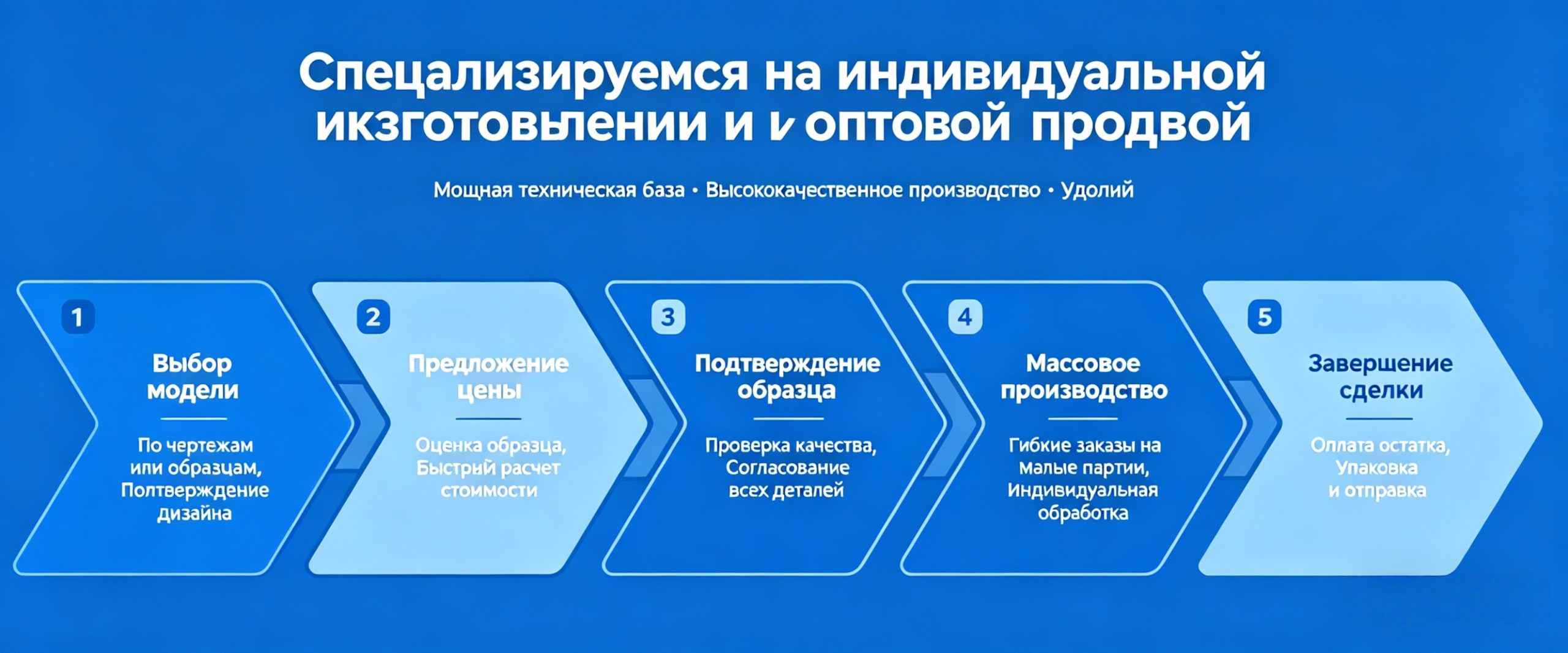
В поисках баланса между инновациями и надежностью многие компании обращают внимание на производителей, внедряющих принципы Индустрии 4.0. A striking example of this approach isQuanzhiguang (Guangzhou) Intelligent Technology Co., Ltd.. Основанная в 2017 году в научно-техническом парке Гуанчжоу, эта компания специализируется на разработке интеллектуальных электроинструментов, глубоко интегрируя цифровое управление производством. Их продукция, включая серии для профессионального ремонта и спецработ, создается с использованием собственных высокоточных двигателей и интеллектуальных систем управления батареями (BMS), что напрямую решает проблемы перегрева и быстрого разряда, описанные выше.
Производственная база Quanzhiguang представляет собой образец “зеленого умного производства”: автоматизированные линии и системы визуального контроля на базе ИИ позволяют держать уровень брака ниже 0,2%, обеспечивая стабильное качество каждой единицы техники. Экспортируя продукцию в более чем 80 стран, компания доказала, что сочетание передовых технологий и строгого контроля качества позволяет создавать инструменты, способные выдерживать жесткие эксплуатационные нагрузки. Для предприятий, ищущих долгосрочного партнера с гибкими условиями сотрудничества и персонализированными решениями, опыт Quanzhiguang демонстрирует, как современные технологии могут повысить эффективность бригад и снизить совокупную стоимость владения оборудованием.
Мы готовы помочь вам подобрать оптимальное решение под ваши задачи, будь то обслуживание нефтепроводов, сборка автомобилей или монтаж металлоконструкций. Наши специалисты проведут аудит ваших текущих процессов и предложат модель, которая максимизирует эффективность вашей бригады.
Посмотреть каталог профессиональных пневматических гайковертовorcontact us todayдля получения индивидуального коммерческого предложения с учетом ваших объемов и условий доставки.